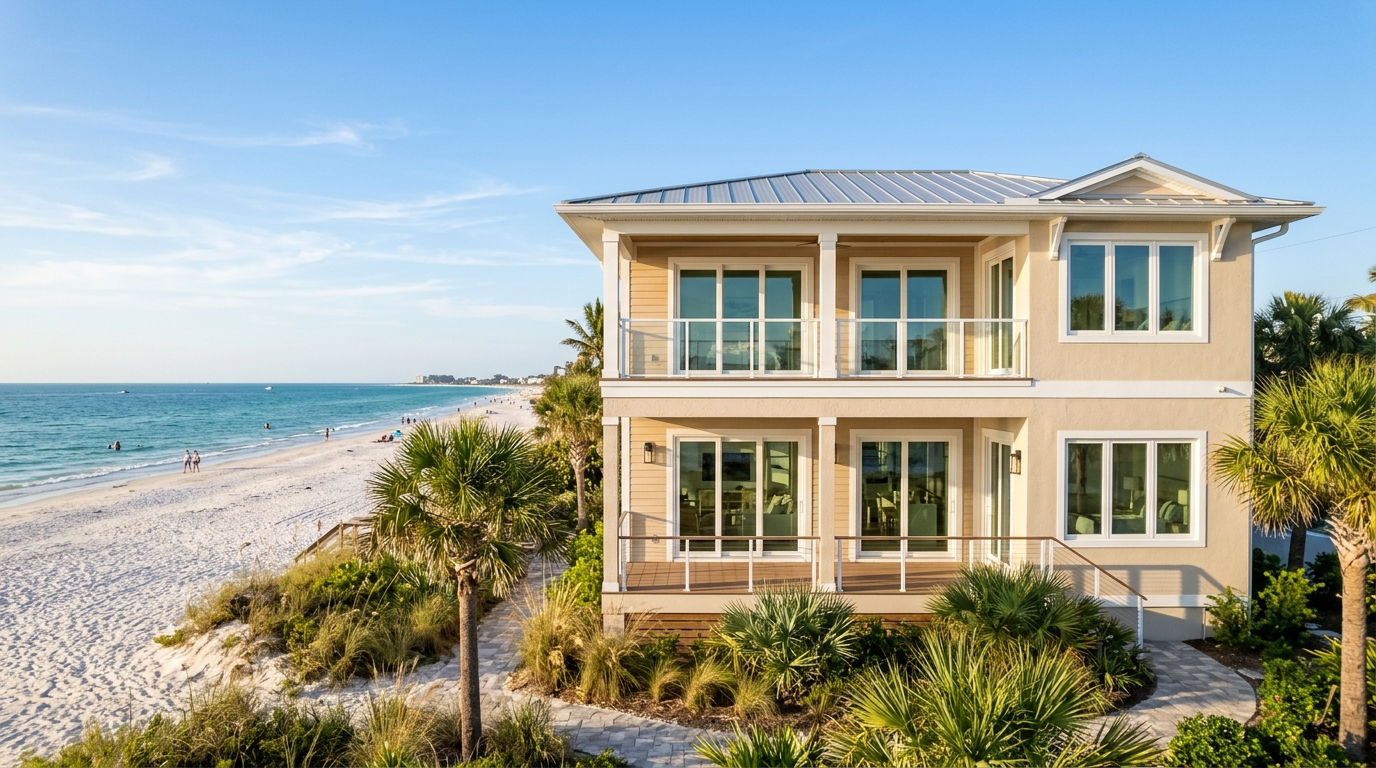
Modern beachfront house with ocean view and palm trees on sandy beach

Window Installation in St. Pete Beach Without Weak Spots at the Coastline

Window installation in St. Pete Beach means removing old units and fitting impact-rated glass built for wind-driven rain and Gulf gusts. Redington Beach Windows measures each opening, orders vinyl-framed double-hung, casement, or sliding units sized to fit, and sets them to meet Florida's wind-load code on barrier-island homes like yours. The crew works the opening from frame to trim, sealing against salt air and storm pressure before the finish work goes back on. If aging or storm-damaged windows have you weighing a full replacement, request a quote and get a plan and a date on the calendar.

Request a Quote
Professional contractor installing white door frame on beachfront coastal home

3

double-hung, casement, sliding

Impact-rated

glass for wind-driven rain and Gulf gusts

Wind-load

Florida's wind-load code

Frame to trim

sealing against salt air and storm pressure

Why Customers Choose Us

“Here are some honest reviews from our awesome clients…”

“The service from the team at Redington Beach Windows is exemplary. We had 4 new windows were replaced at our home and they did a fantastic job. They were very thorough with the design and made us feel comfortable with our product purchase. My home in Redington is looking better than ever. I was impressed with their professional approach, workmanship and customer service. I would not hesitate to use this company again or recommend them to others.”

Titcomb PlatzGoogle review

“Our new sliding windows are fantastic! They look and work fantastically! All thanks to Redington Beach Windows in Redington, Florida and their clearly well-trained staff. From the consultation to the installation, they assisted me and communicated with me professionally and thoroughly. Excellent company! Responsive staff! High-quality products! Strongly recommended!”

Nizami SemedovGoogle review

“I have trusted Redington Beach Windows for window replacements twice already. They’re true professionals in every sense of the word and really nice people! Their attention to detail and the quality of their work is amazing. Redington Beach Windows has a lifetime satisfied customer here! If you’re looking for fast work at a great price, call them.”

Dolores ParsonsGoogle review

What Makes a St. Pete Beach Home Different From the Rest of Pinellas County

Local context matters because a barrier-island address changes what a window has to survive and what a local building department expects to see on the permit. Window installation in St. Pete Beach deals with salt air, direct gulf exposure, and an older mix of housing stock that a crew working a few miles inland on the mainland rarely has to plan around.

Salt Air and Direct Gulf Exposure

Salt-laden air corrodes untreated hardware and dulls finishes faster on a barrier island than it does a few blocks back from the water. Frames, fasteners, and sealants chosen for this stretch of coast have to hold up to that exposure year after year, not just pass inspection on install day.

An Older, Mixed Housing Stock

St. Pete Beach carries a blend of cottages, mid-century block homes, and newer construction, and each one presents a different rough opening, a different wall thickness, and a different fastening pattern. A crew replacing windows and doors here has to read the existing structure correctly before a single new unit goes in, rather than assuming one approach fits every house on the street.

Condo and HOA Rules on a Crowded Coastline

Many properties along this part of the county sit inside a condo association or HOA with its own rules on exterior appearance, approved frame colors, and sometimes approved product lines. Confirming those rules before ordering materials avoids a mismatch between what gets installed and what the association will sign off on.

Part of a Connected Barrier-Island Market

St. Pete Beach doesn't sit in isolation; it's part of the same beach communities that run from Madeira Beach and Redington Shores down through Indian Rocks Beach, with Largo anchoring the mainland side just inland. Homes across that stretch share the same salt exposure and the same storm exposure, which is why the fit and the materials that work on one barrier-island street tend to work on the next one over.

Materials and Window Styles Built for the Beach

Every window installation in St. Pete Beach starts with matching the right product to a coastal property, not just swapping old frames for new ones. Redington Beach Windows works through a handful of core options, and most jobs end up mixing two or three of them depending on which side of the house faces open water and which rooms need the most daylight.

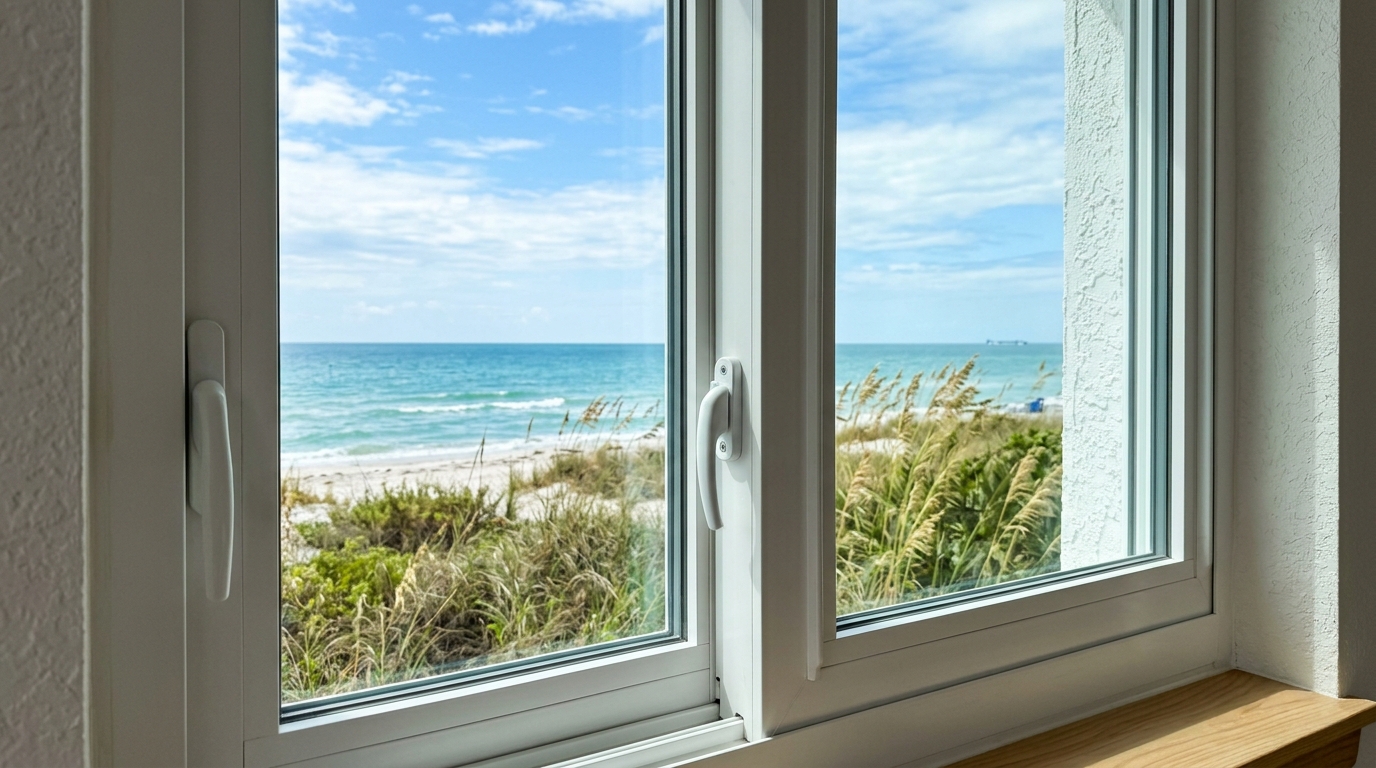
  • Beachfront window view with turquoise ocean, sand dunes, and beach vegetation

    Impact-Rated Glass for Direct Exposure

    Impact windows carry laminated glass and reinforced frames built to stay intact under wind-driven debris, which matters most on walls that face the Gulf or an open canal. Homeowners often ask whether impact-rated glass will satisfy an insurance adjuster or a building inspector reviewing a beachfront remodel, and the honest answer is that the frame and glass still have to be matched correctly to the opening before anything gets set.

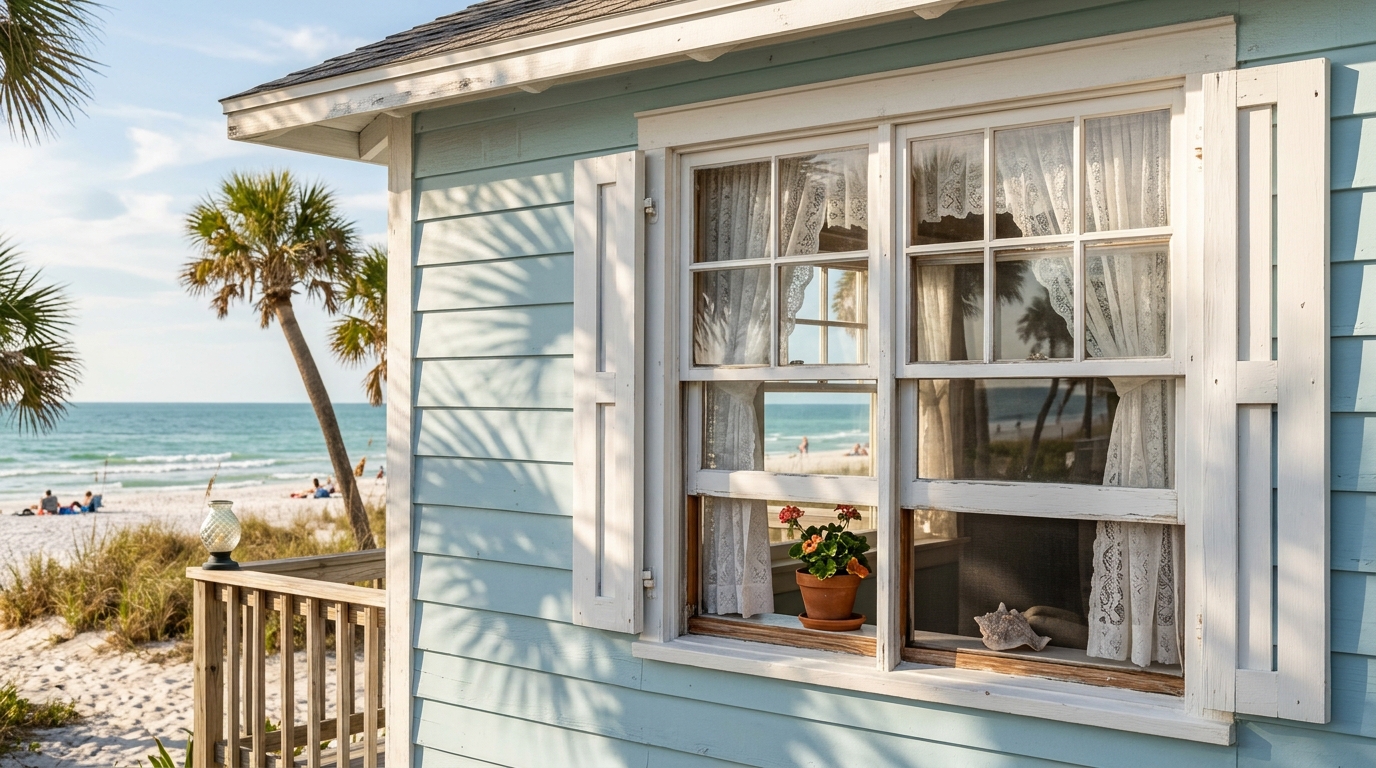
  • Blue beach cottage with ocean view and palm trees overlooking sandy shore

    Double-Hung Windows for Classic Cottage Styling

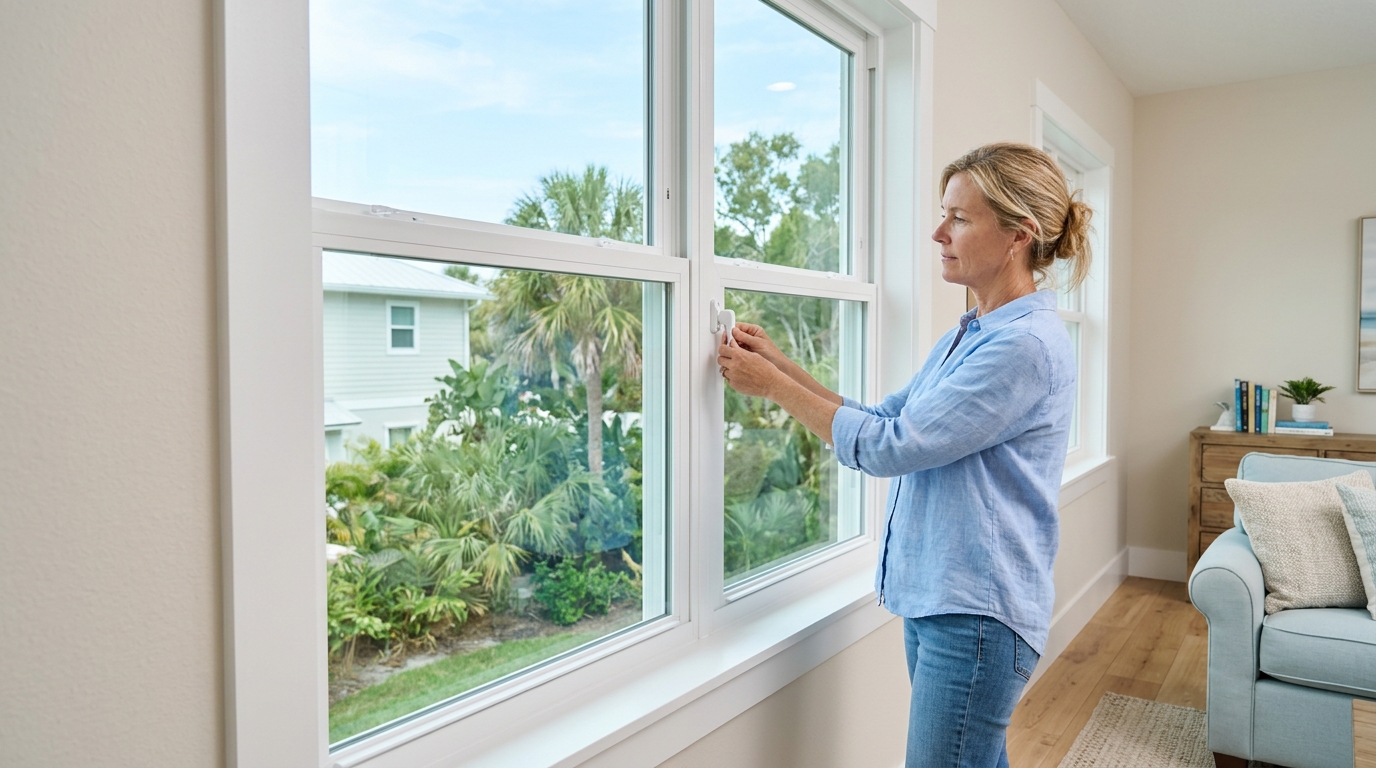
    Double-hung windows keep the look of an older Gulf-front cottage while updating how the sashes seal and tilt for cleaning. Both top and bottom sashes move independently, which gives a room better airflow control than a fixed unit, and the hardware gets checked for smooth operation before the crew calls the opening finished.

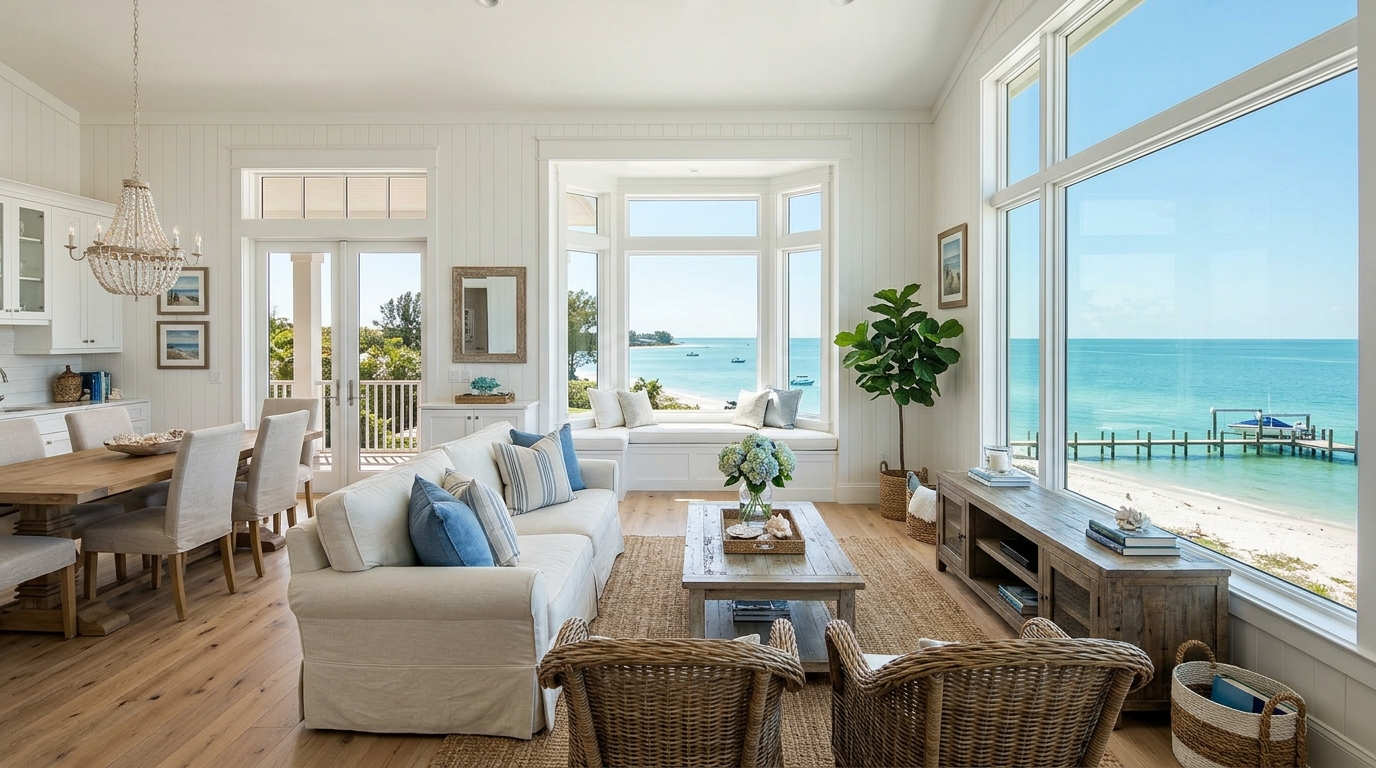
  • Luxury beachfront living room with ocean views and coastal interior design elements

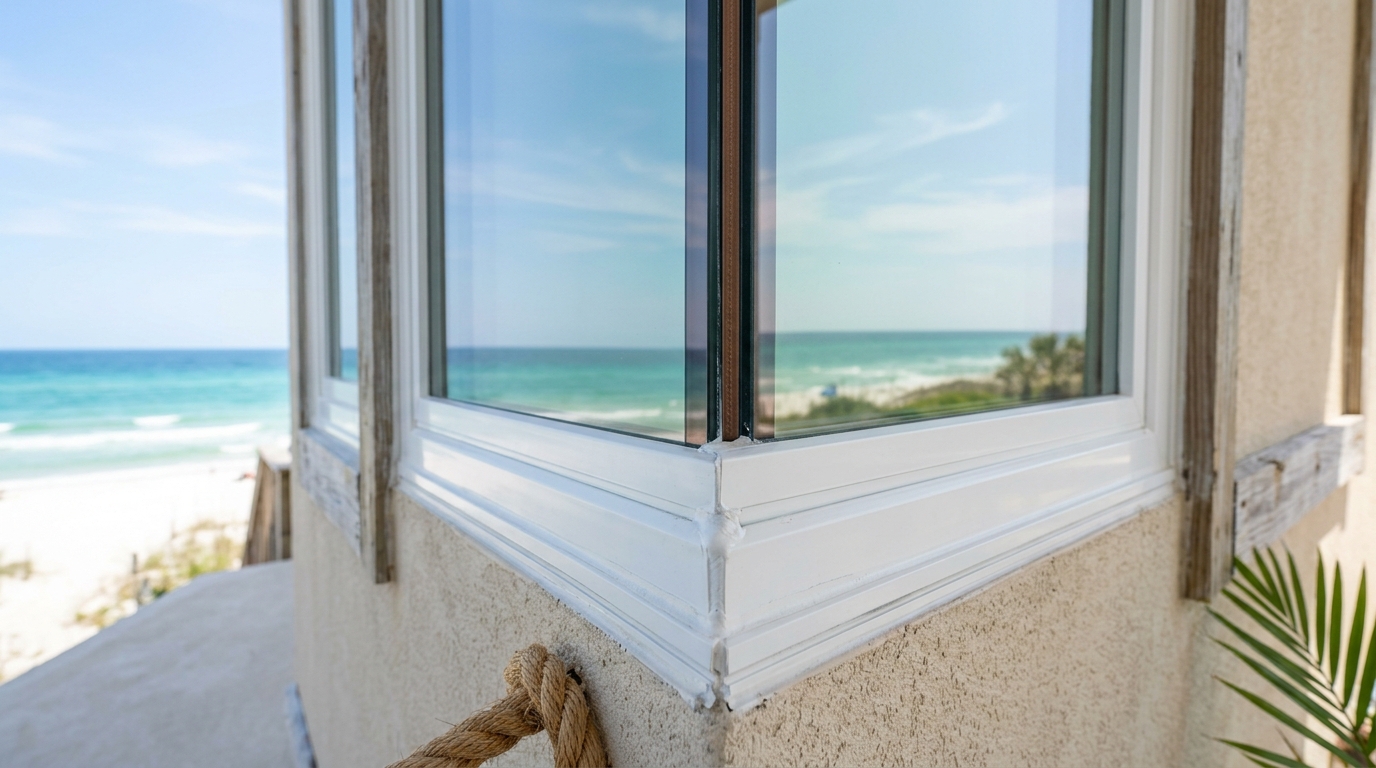
    Bay and Picture Windows for Water-Facing Rooms

    Bay windows add a projecting shelf of glass that widens a living room or breakfast nook and works well where the lot allows a few extra inches of setback. Picture windows skip moving parts altogether and give an unbroken pane facing the water, which is why they show up so often in great rooms built around a view rather than a breeze.

  • Luxury beach view through corner windows overlooking turquoise ocean and sandy shore

    Energy-Efficient Double-Pane Construction

    Energy-efficient windows use a sealed double-pane assembly with a low-emissivity coating that cuts how much heat moves through the glass during Florida summers. The gap between the two panes is filled and sealed at the factory, and on a St. Pete Beach project that detail does as much for comfort as the frame material does. These double-pane windows also dampen outside noise, something beach-house owners notice within the first week.

Frame choices follow the same logic: vinyl holds up well against salt air without repainting, while other materials get matched to a home's existing trim and HOA expectations. Whichever combination a project calls for, the crew treats each opening as its own decision rather than a one-size answer for the whole house.

Professional contractor installing new glass sliding door on beachfront home

Storm-Damaged Glass or a Planned Upgrade: Which Fits You?

Either way, the fix itself is the same hurricane-rated window, but the pace you need it on is not. Some homeowners call because a shutter failed and a pane cracked during the last storm; others are reading a wind mitigation report and deciding to get ahead of next season instead of reacting to the one after it.

When a Storm Already Did the Damage

A cracked or fogged pane after a storm needs an honest look before anything else, because a shifted frame or water that got behind the trim changes what the repair plan has to cover. Plywood or film over an opening is a stopgap, not a fix, and it's worth lining up a proper window install before the next system moves through the Gulf. A storm damage window replacement still has to clear the same wind-load and impact standards as any other job on the house, so rushing the product choice to fill a hole fast can leave you redoing the work later.

When You're Planning Ahead of the Next Season

If your windows are original to the house and you're weighing hurricane shutters against impact glass, the real decision is usually how much of the house to tackle in one pass. Replacing every opening at once is more disruptive for a stretch than staggering it room by room, but it also means one permit review and one timeline instead of several smaller ones spread across different seasons. That's part of what makes window installation in St. Pete Beach different from an inland remodel: every opening gets specified against local wind-load and impact requirements from the start, not retrofitted after the fact.

Whichever situation describes your house, the starting point is the same: know what condition your current frames and glass are in, know what Florida's product approval process expects, and get a clear scope before any crew shows up. That's the groundwork a sound replacement plan is built on, whether it begins with a cracked pane this week or a project you've been planning since last hurricane season.

What Holds a Window in Place During a Hurricane

A window stays put through a storm because of what's hidden under the trim, not the glass alone. The rough opening, the flashing, and the sealant around the frame do as much work as the impact-rated pane itself, and getting each one right is what separates a code-compliant install from a repair job waiting to happen.

  • Rough Opening and Nailing Fin: Getting the Fit Right

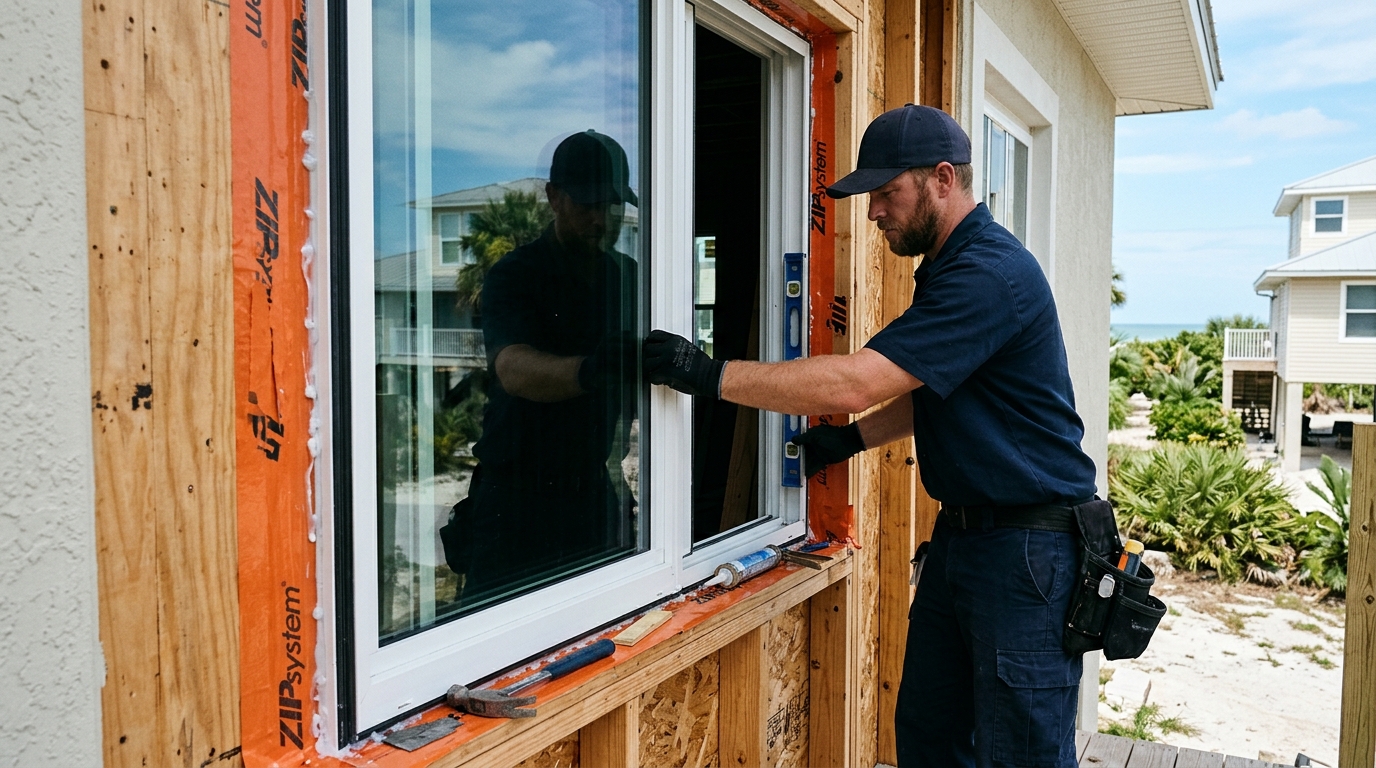
    The rough opening is the framed gap in the wall that has to match the new unit's dimensions almost exactly, with no more gap than the manufacturer allows for shimming. On a vinyl-frame install, the nailing fin around the perimeter is what ties the window to the structure, and it has to sit flat against sheathing with every fastener driven where the product approval specifies, not wherever is convenient.

  • Flashing and Sealant: Keeping Water Out

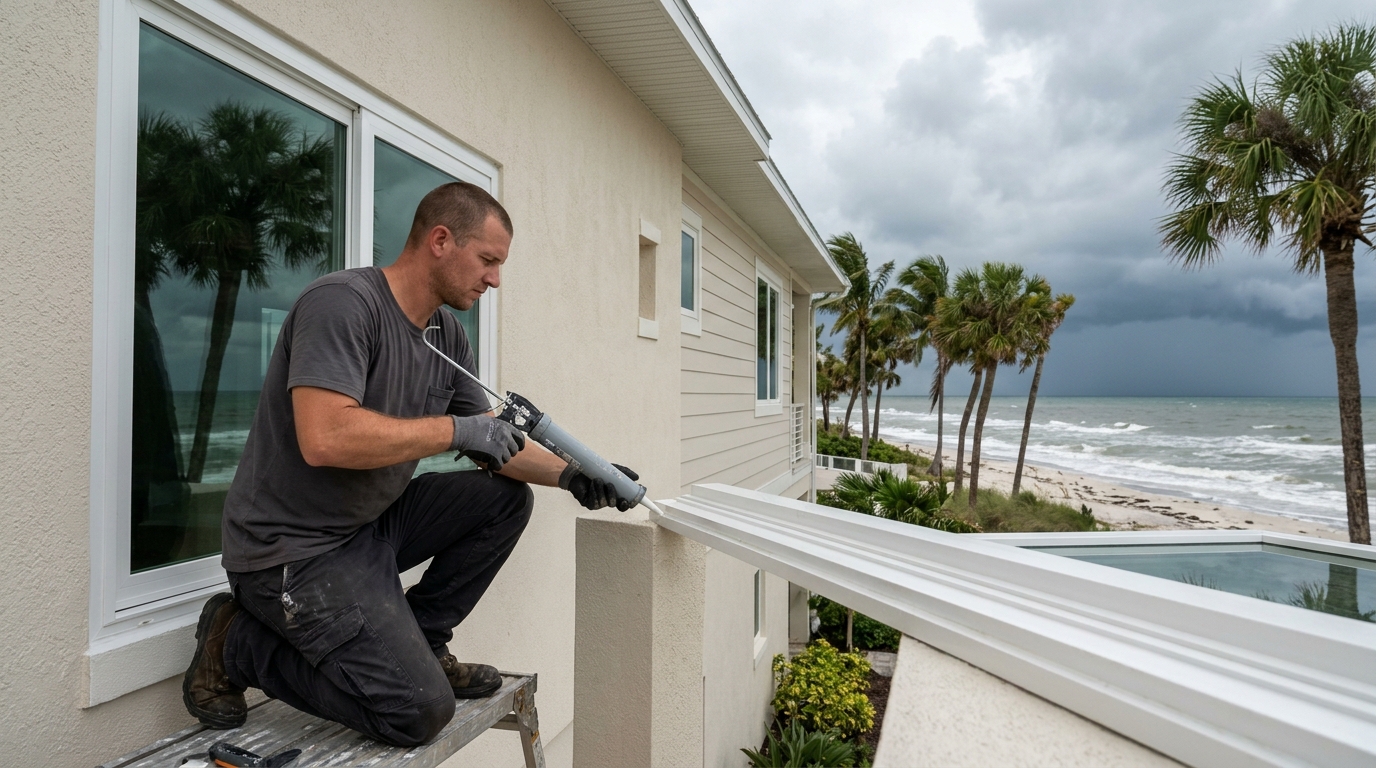
    Flashing is the layered barrier that redirects wind-driven rain away from the rough opening and down the wall plane instead of into the framing. A bead of window sealant goes around the exterior perimeter after flashing is in place, and weatherstripping handles the smaller job of sealing the sash itself so air and moisture don't creep in between the frame and the operable panel.

  • Low-E Glass and U-Factor: What Keeps the Heat Out

    Low-E glass carries a microscopic coating that reflects heat while still letting daylight through, and it's paired with a U-factor rating that tells you how much heat the whole unit transfers. A lower U-factor means a tighter, more efficient window, which matters on a Gulf-facing home running air conditioning most of the year.

  • Impact Rating and Wind Load: What the Glass Has to Survive

    An impact rating tells you the glass has passed large-missile and cyclic pressure testing, not just that it's labeled hurricane glass at the store. The wind load rating on the product approval has to match what the structure and its exposure category require, which is the detail any window installation on a barrier island lives or dies by. Redington Beach Windows works from the opening measurements and the product's rated specs together, since matching the two is what gets a St. Pete Beach job through inspection the first time.

Construction worker installing window on beachfront home renovation

What Happens During Window Installation in St. Pete Beach

Window installation in St. Pete Beach runs through the same core sequence as anywhere else on the Gulf side of Pinellas County, but every step is weighted toward wind resistance and salt-air durability. Redington Beach Windows treats the measuring, the permitting, and the fitting as one connected process rather than separate tasks, because a mistake in any one stage shows up as a leak or a failed inspection later.

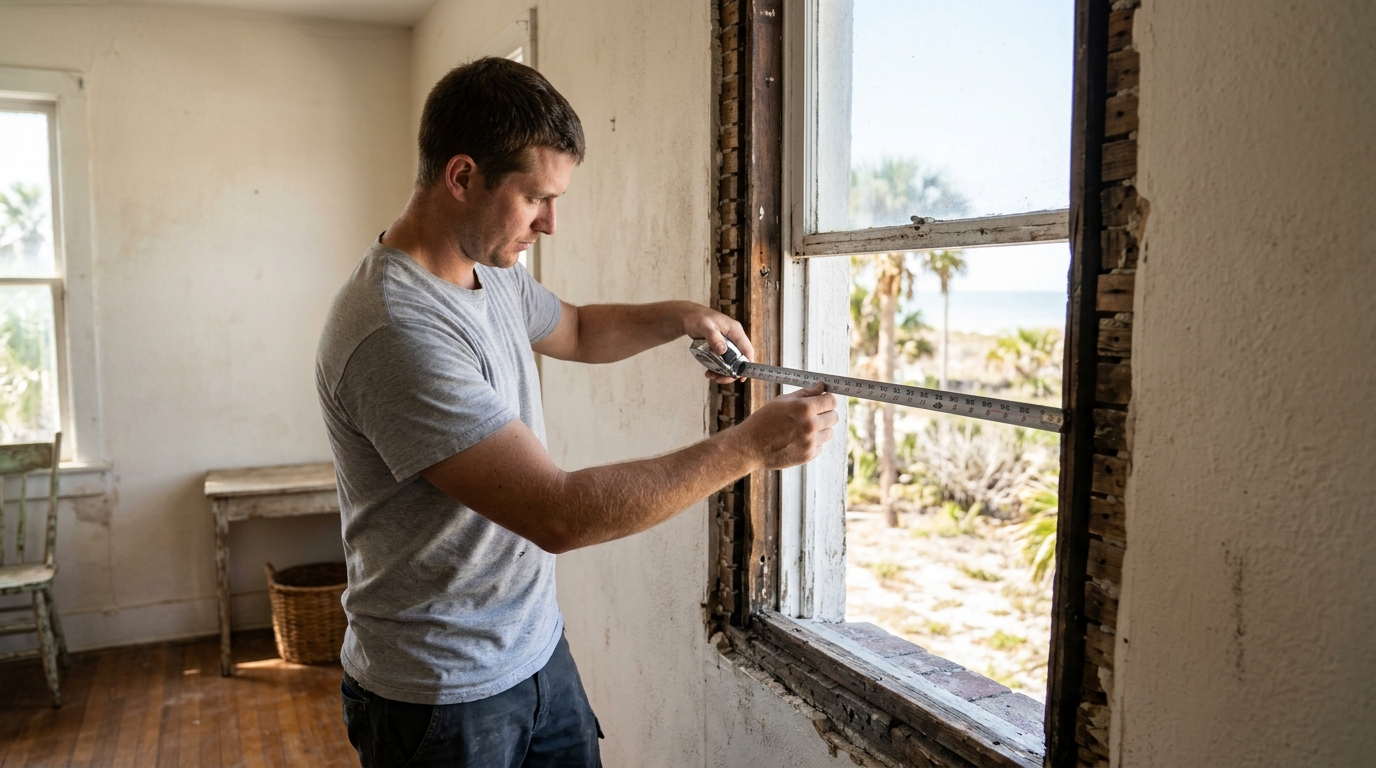
Professional contractor measuring window frame during home renovation project

Matching the Opening to the Right Window

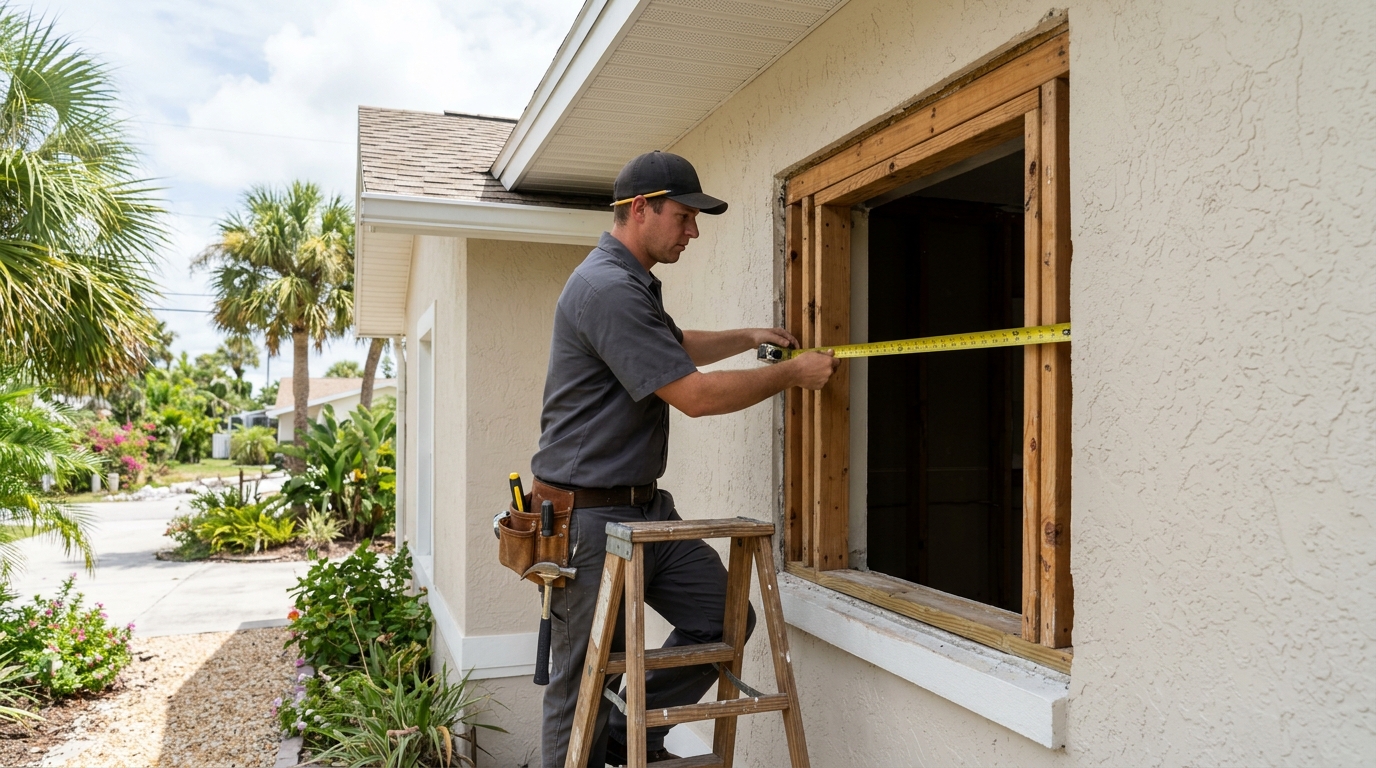
The work starts with measuring each rough opening and deciding which frame, glass package, and operating style suits that wall. A bedroom might call for new windows that crank open for cross-ventilation, while a casement windows unit on an exposed wall seals tighter against compression than a slider does. Getting this match right before ordering product avoids a costly re-order once the opening is already exposed.

Meeting Florida's Wind-Load Rules Before the Permit

A permit for new hurricane windows depends on product approval paperwork and a wind-load rating that matches the home's exposure category, not just the brand on the box. The building department checks that the documented rating lines up with the address before work can proceed, which is why the product selection and the code review happen together rather than after the fact.

Retrofit Versus New Construction Methods

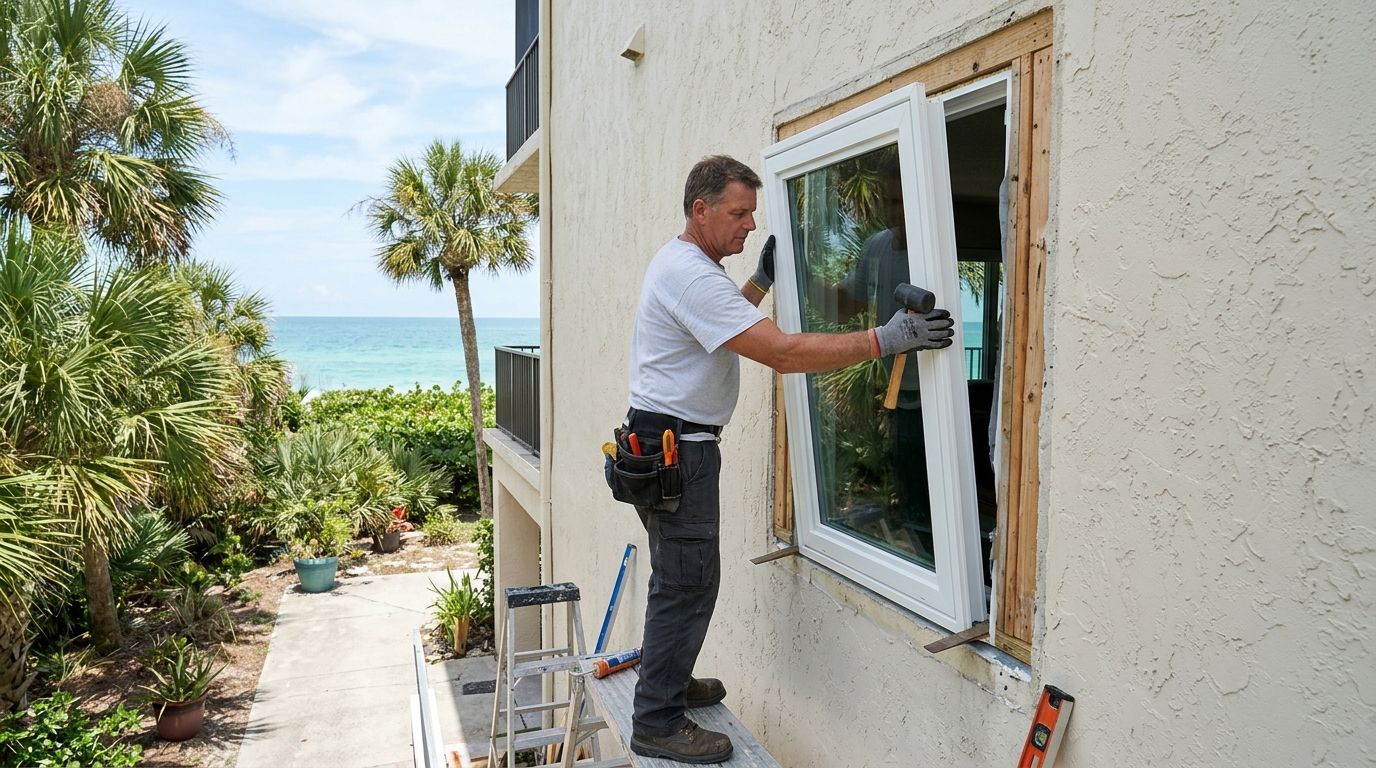
A retrofit job removes the old frame and anchors the replacement into the opening that's already there, while new construction window installation sets the unit against bare framing with the flashing tied directly into the wall's weather barrier. Most occupied homes along this stretch of coast call for the retrofit approach, since it avoids disturbing interior drywall and exterior stucco. A full window replacement on an older block home sometimes needs extra prep if the original openings have settled or shifted slightly out of square.

What a Properly Finished Installation Looks Like

A finished job sits flush in its opening, operates smoothly, and shows a clean, even bead of sealant around every edge with no visible gaps at the corners. Trim gets reset cleanly, hardware operates without binding, and the crew clears debris before calling the job complete. The technical details behind that finish, the glass coatings, the sealants, and the fastening methods, matter enough to cover on their own.

The 6-Step Window Installation Process for St. Pete Beach Homes

Step 1: You Call and Describe the Job

The process starts with a phone call where you tell Redington Beach Windows what's going on - a warped double-hung sash, a slider that won't lock, or storm damage that needs attention before the next season rolls in. That conversation sets whether you're looking at a single failed unit or a full house of openings.

Call (239) 676-0079
Man measuring window frame during home renovation project with coastal view
Woman inspecting modern windows in bright home with tropical landscape view
  1. Step 2: A Technician Measures Each Opening

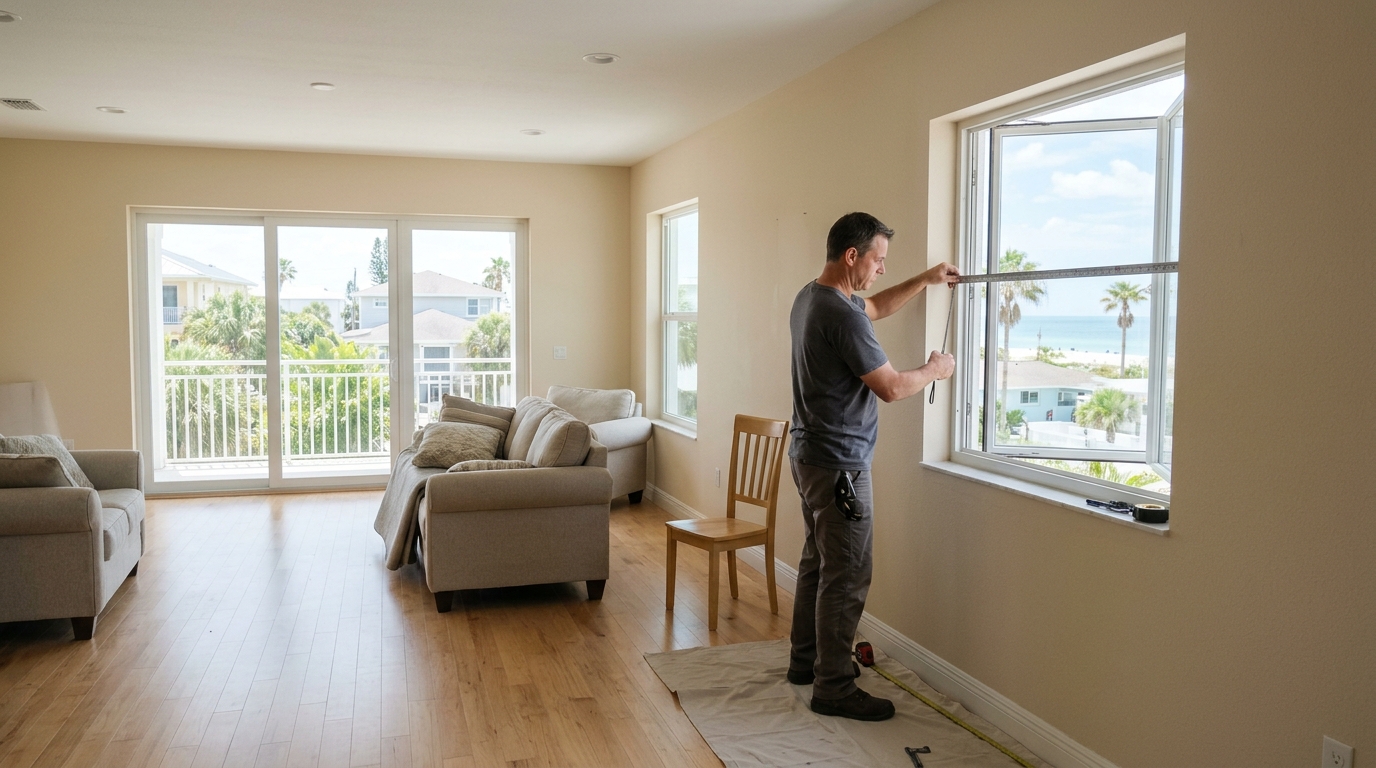
    A technician comes to the house and measures every rough opening by hand, since no two openings in an older St. Pete Beach home are ever exactly square. They note frame material, sill condition, and whether the existing opening will take a standard unit or needs reframing.

  2. Step 3: You Choose Frame Material and Glass

    You pick the frame and glass package during this step - vinyl frames, double-hung or casement styles, low-E coatings, and impact-rated glass all get decided here based on the exposure and look you want. This is also where bay, bow, or picture windows get sized against what the opening can structurally hold.

  3. Step 4: The Permit Gets Pulled and Reviewed

    Pinellas County requires a building permit for impact-rated replacements, and the order gets submitted for wind-load review before any glass arrives on site. An inspector checks the plans against current code for the barrier island before work can proceed.

  4. Step 5: Old Units Come Out and New Ones Go In

    Crews remove the old sash and frame down to the rough opening, check the framing underneath for rot or settling, then set the new unit, shim it level and plumb, and seal around it with flashing and sealant built for this climate. Trim goes back on last, once the seal is confirmed tight.

  5. Step 6: Final Inspection and Walkthrough

    A county inspector signs off on the finished opening, and then you walk the house with the crew to check every lock, slide, and seal before the job is called done. That walkthrough is your chance to flag anything that doesn't operate smoothly before the crew packs up.

Signs Your New Windows Were Installed Correctly

Correct work shows up in details you can check with your own hands, not just in a clean invoice. A tight window installation in St. Pete Beach leaves straight caulk lines, trim that sits flush, and sashes that open without binding. If any of those look off on day one, raise it before the crew packs up rather than waiting for the next inspection.

(239) 676-0079
  • Checking Fit and Finish Before the Crew Leaves

    Run your hand along the interior trim and exterior stucco line where the frame meets the wall. The sealant bead should be continuous, not patchy, and there shouldn't be daylight visible around any edge. Locks on double-hung and casement units should engage without force, and sliding panels should glide on their track without catching.

  • Testing Every Window and Door Before You Sign Off

    Open and close each unit, including any bay or bow windows and patio sliders, and listen for scraping or resistance. A properly set frame won't flex when you push on the corners, and screens should drop into their channel without gaps. Note anything that sticks or rattles so it gets addressed while the installer is still on-site.

  • What to Watch for During the First Storm Season

    Condensation forming between the panes of a sealed unit points to a seal that's already failed, not normal humidity. After a hard rain, check interior sills for moisture, and after a few months of Gulf heat, look at the caulk lines again for cracking or pulling away from the frame. Drafts around a closed window usually mean the flashing or sealant needs attention, not that the glass itself is at fault.

  • When It's Time to Call the Installer Back

    Minor settling is normal, but a window that won't latch, a visible gap at the frame, or fogging glass is worth a follow-up call. Keep a simple note of the date and what you observed; a company that stands behind its work, including the team at Redington Beach Windows, will want that information before sending anyone out again.

How to Pick the Right Installer for Your Home

Choosing who does the work comes down to what they put in writing, how clearly they explain costs, and whether their answers hold up when you push for detail. A barrier-island home needs a crew that treats window installation in St. Pete Beach as a code-driven job, not a quick swap of glass.

What a Written Estimate Should Spell Out

A solid estimate names the exact product line, frame material, glass package, and impact rating for every opening, not just a lump total. Ask any contractor bidding your project to list labor and materials separately, state who pulls the building permit, and note what happens if the rough opening needs extra framing once old windows come out. Get the estimate in writing before you sign anything, and keep a copy with the contract so the scope can't shift once work starts.

Comparing Financing and Payment Terms

Payment terms deserve the same scrutiny as the product spec. Ask how the schedule is structured — a deposit, a progress payment, and a final payment tied to a passed inspection is a common pattern — and get any financing offer in writing with the rate and total cost spelled out before you commit. Compare that paperwork across bids the same way you'd compare glass packages, since a lower number on page one can hide a different schedule on page three.

Questions That Separate Serious Contractors From the Rest

The contractors worth hiring answer specifics without hesitation. Ask who pulls the permit, who's on site during the install, and how they handle an inspection that doesn't pass the first time. A crew that's done impact window work near the Gulf should describe wind-load requirements and anchoring methods without reaching for a brochure, and should walk you through double-hung, casement, or sliding options without steering you toward whatever they happen to have in stock.

Why Window Installation Cost Varies by Bid

The cost of a job moves with the number of openings, frame material, glass package, and how much old framing has to be rebuilt once the existing units come out. A condo with uniform openings prices differently than a house with bay windows or custom shapes. Get each bid broken down by opening so you're comparing the same scope, not just a bottom-line figure, before you decide who handles your St. Pete Beach project.

Redington Beach Windows

Call (239) 676-0079

Credentials and Records You Can Confirm Yourself

Trust in a window job comes down to what you can check, not what a sales rep tells you over the phone. Redington Beach Windows lists its credentials in plain terms: Licensed, Bonded, and ENERGY STAR Certified product lines, and you're welcome to ask for the paperwork behind each one before scheduling window installation in St. Pete Beach.

Licensed

Bonded

ENERGY STAR Certified

Licensing, Insurance and Bonding You Can Verify

A license number and a current insurance certificate are the two documents worth asking for from any contractor, including a licensed contractor you find through a search or a referral. Call the state licensing board or check its online portal to confirm a license is active, and ask for the insurer's name and the policy's expiration date in writing. The same applies to an insured installer sent to your home: a company with nothing to hide produces proof before a crew sets foot on your property. Bonding works the same way, so ask for the bond number and who issued it, and keep a copy with your signed contract.

Warranty Terms Worth Getting in Writing

A warranty only protects you if its terms are written down, so ask two separate questions before you sign anything. First, what does the manufacturer warranty cover on the glass, frame, and hardware. Second, is the installation warranty on labor separate from that coverage, and for how long does it run. Get both answers in writing, along with what voids the coverage and who to call if a seal fails or a frame shifts after a storm.

What Our Crew Checks Before and After Install

Our crew checks the rough opening, measures wall depth, and looks for water staining or soft wood around the old frame before the first unit comes out, every time. You can ask to see photographs of finished jobs on homes near St. Pete Beach, and you're entitled to straightforward answers about materials, what the schedule depends on, and what happens if a building inspection flags an issue before it closes out.

None of this requires taking anyone's word for it. License numbers, insurance certificates, bond details, and warranty language are all things you can hold in your hand before a single window comes out of its frame.

What Homeowners Ask Before Scheduling Window Installation

How Far Ahead Should I Schedule Hurricane-Impact Window Installation in St. Pete Beach?

Lead time depends on product availability, the number of openings in your home, and how far the building permit process has to move before work starts. Impact-rated glass units built to Florida's wind-load specifications come from the manufacturer rather than off a shelf, so locking in your product choice early in the year, ahead of the peak storm season rush, keeps your preferred install date open. Planning a full round of window installation and replacement across a house rather than a single opening means checking manufacturer lead times as soon as you pick a product line, since that drives the schedule more than crew availability does. Homeowners who wait until a storm is already forecast run into longer waits, with every neighbor calling the same week. Locking in measurements and a product decision months ahead protects a spot on the calendar and avoids a scramble once a storm watch goes up.

What Factors Affect Pricing for New Impact Windows on a Beach Home?

Price is set by the number and size of openings, the glass and frame package selected, and how accessible the home is for the crew. Impact-rated glass costs more than standard dual-pane units, and moving up to low-E coatings or heavier-gauge vinyl windows built for salt-air exposure adds to the material side of a bid. Older homes with out-of-square openings or rot in the surrounding framing need extra labor before a new unit goes in, and that labor shows up in the final number. Second-story access, balcony sliders, and large picture openings all take more time than a ground-floor opening, which moves the price as well. Each of these variables shifts the total independently, so two homes with the same count of openings can land at different numbers once access and material grade are factored in.

Worker measuring window in bright coastal home with ocean view and hardwood floors

How Can I Verify My Window Installer Is Licensed and Insured in Florida?

A Florida contractor license number checks against the state's online contractor licensing search, which shows whether a license stays active and in good standing, and the same lookup works for any contractor on your shortlist. Run that search before signing anything, not after a deposit has changed hands. For hurricane-impact work specifically, the license search only confirms general contracting status, not product approval or proof of coverage, so those two pieces need separate confirmation from whoever you hire. The fuller list of documents worth asking for in writing, including insurance certificates and warranty terms, is covered later on this page under what you can verify. A straightforward answer to a license-number question takes a few minutes online, and a contractor who hesitates to give you one, or points you anywhere other than the state's own lookup tool, is worth crossing off your list before work starts.

What Should I Clear Out or Prepare Before Installers Replace My Windows?

Clear window sills, blinds, curtains, and anything breakable near each opening to give the crew room to work without risk to your belongings. Move furniture away from interior walls where windows sit, and take down nearby wall art or mirrors, since vibration from removing old frames can loosen hanging items elsewhere in the room. Keep the exterior reachable too, with trimmed shrubs, an open driveway, and a clear path around the house when openings are being replaced on more than one side. In a condo or an HOA community, settle any association approval for exterior changes before the crew arrives, separate from the building permit itself. Flag pets or small children who need a quiet space away from the work area so the crew can move equipment safely.

Will a Tropical Storm or Rain Delay Affect My Scheduled Window Replacement?

Yes, an active storm or heavy rain typically pushes a scheduled installation back, since openings need to stay weather-tight and sealant and glazing need workable conditions to cure properly. A careful crew secures an opening and leaves it weather-tight if a forecast turns mid-job, then resumes once conditions clear rather than leaving a home exposed ahead of incoming weather. Rescheduling around Florida's summer storm pattern happens often in this trade, and a company that builds buffer time into its calendar handles a shift more smoothly than one booking jobs back to back with no room to move. Before signing anything, ask how a company handles a weather delay and what happens to an opening that sits partway finished when rain moves in. A short delay for proper installation conditions beats a rushed job that leaks the first time a storm rolls through.

Does Redington Beach Windows Also Serve Homes Outside St. Pete Beach Proper?

Yes, Redington Beach Windows serves homes throughout St. Pete Beach and the nearby communities of Madeira Beach, Redington Shores, Indian Rocks Beach, Largo, Seminole, Treasure Island, St. Petersburg, and Pinellas Park. The same crew and product lines used on St. Pete Beach jobs apply to a property in any of these communities or just off the beach itself. Call (239) 676-0079 to confirm coverage for your address and talk through which openings need attention first. Working across these Gulf-side communities means dealing regularly with salt air, wind exposure, and the older housing stock common to this stretch of coast, rather than treating every job the same way an unfamiliar outfit might. Each of these towns carries its own wind-load and permitting expectations, and familiarity with the area means applying them without treating every address the same.

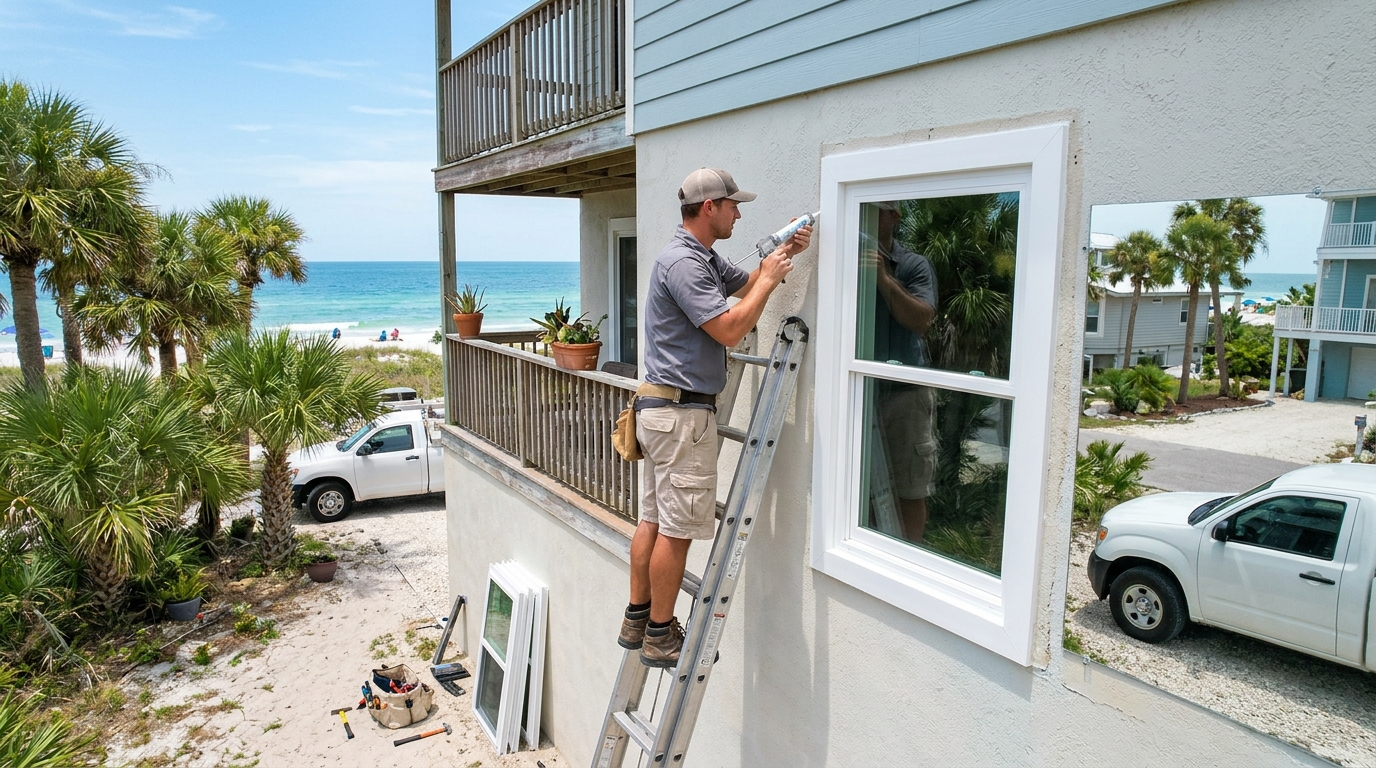
Professional contractor caulking window on beachfront home with ocean view

What Should Finished Impact-Window Installation Look Like Around Trim and Seals?

Finished work shows even, consistent reveal lines around every frame, with no visible gaps between the unit and the surrounding wall or trim. The exterior caulk line runs straight and unbroken, with no cracks, pinholes, or spots where air moves along the edge. Interior trim sits flush against the wall, and on a job that included sliding windows or a swinging unit, the panel glides and latches without sticking or scraping. Hardware, including locks and cranks, operates smoothly on the first try. Corners deserve a close look, since that is where sealant failures show up first, and exterior weep holes need to stay clear rather than caulked shut by mistake. Anything that looks uneven or incomplete is worth raising with the installer before calling the job finished, while the crew is still on site to fix it.

How Many Days Does It Take to Replace All the Windows in a House?

The length of a whole-house impact window installation is set mainly by the number of openings, how each one is accessed, and whether framing repair is needed once the old unit comes out. A typical sequence removes the old window, checks the rough opening for rot or square, sets and shims the replacement windows, then seals and finishes trim inside and out before moving to the next opening. A home with a dozen or more openings naturally takes longer than a single-opening repair, and upper-story or hard-to-reach windows add time compared with ground-floor openings. Weather, product delivery timing, and whether work stays confined to one side of the house or spreads across the whole exterior all affect how the job unfolds. Walking through the sequence for your specific home with the company handling the work sets real expectations before work begins.

Areas Redington Beach Windows Serves

Redington Beach Windows serves St. Pete Beach, FL and the surrounding area:

  • St. Pete Beach
  • Madeira Beach
  • Redington Shores
  • Indian Rocks Beach
  • Largo
  • Seminole
  • Treasure Island
  • St. Petersburg
  • Pinellas Park

Start the Conversation About Your Windows

If aging frames or storm damage have you thinking about impact-rated replacements, the next step is a conversation about your home, not a sales pitch. Window installation in St. Pete Beach starts with a call to Redington Beach Windows at (239) 676-0079, where we talk through your windows, your timeline questions, and what Florida code expects for your property.

Call now, describe what you're seeing, and find out what a sound plan for your home actually looks like.